Village Kosamkheda: A Glimpse of Rural Life in India
🏡 Introduction
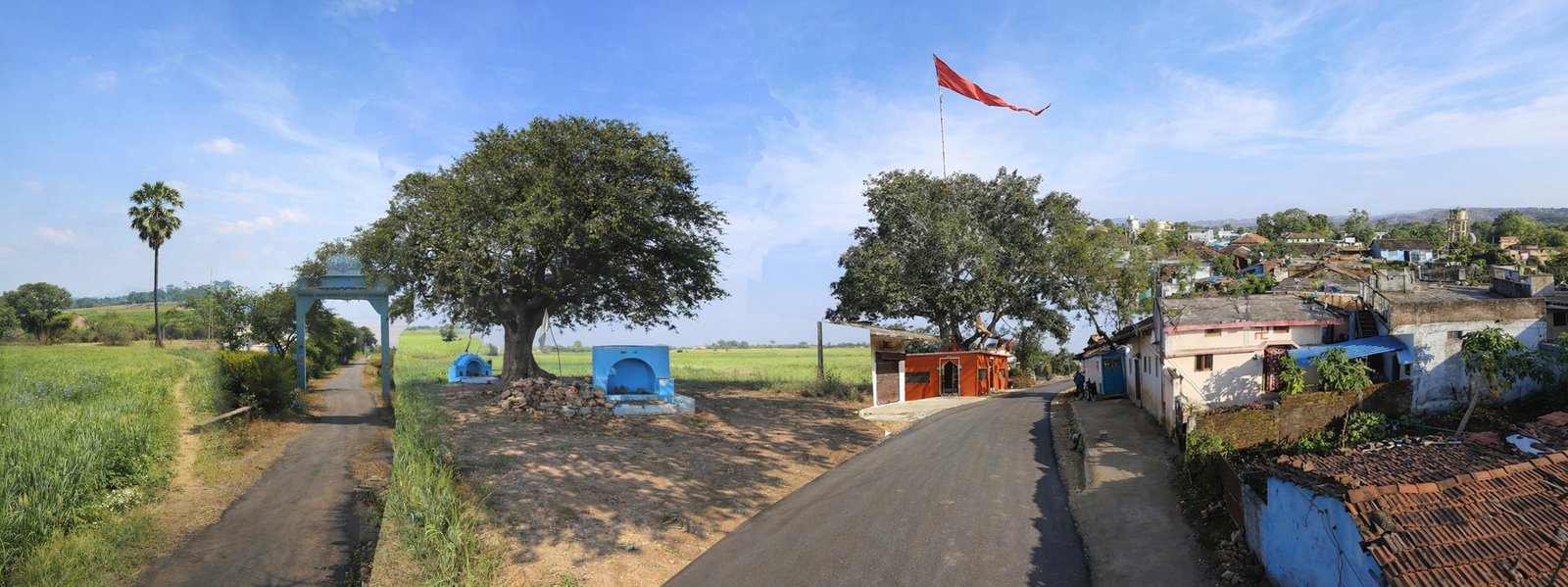
Village Kosamkheda is a peaceful and culturally rich settlement that reflects the true spirit of rural India. Surrounded by fertile agricultural land and natural beauty, the village is known for its simplicity, unity, and traditional values passed down through generations.
🌳 Kosamkheda – The Village Named After the “Forest Treasure”
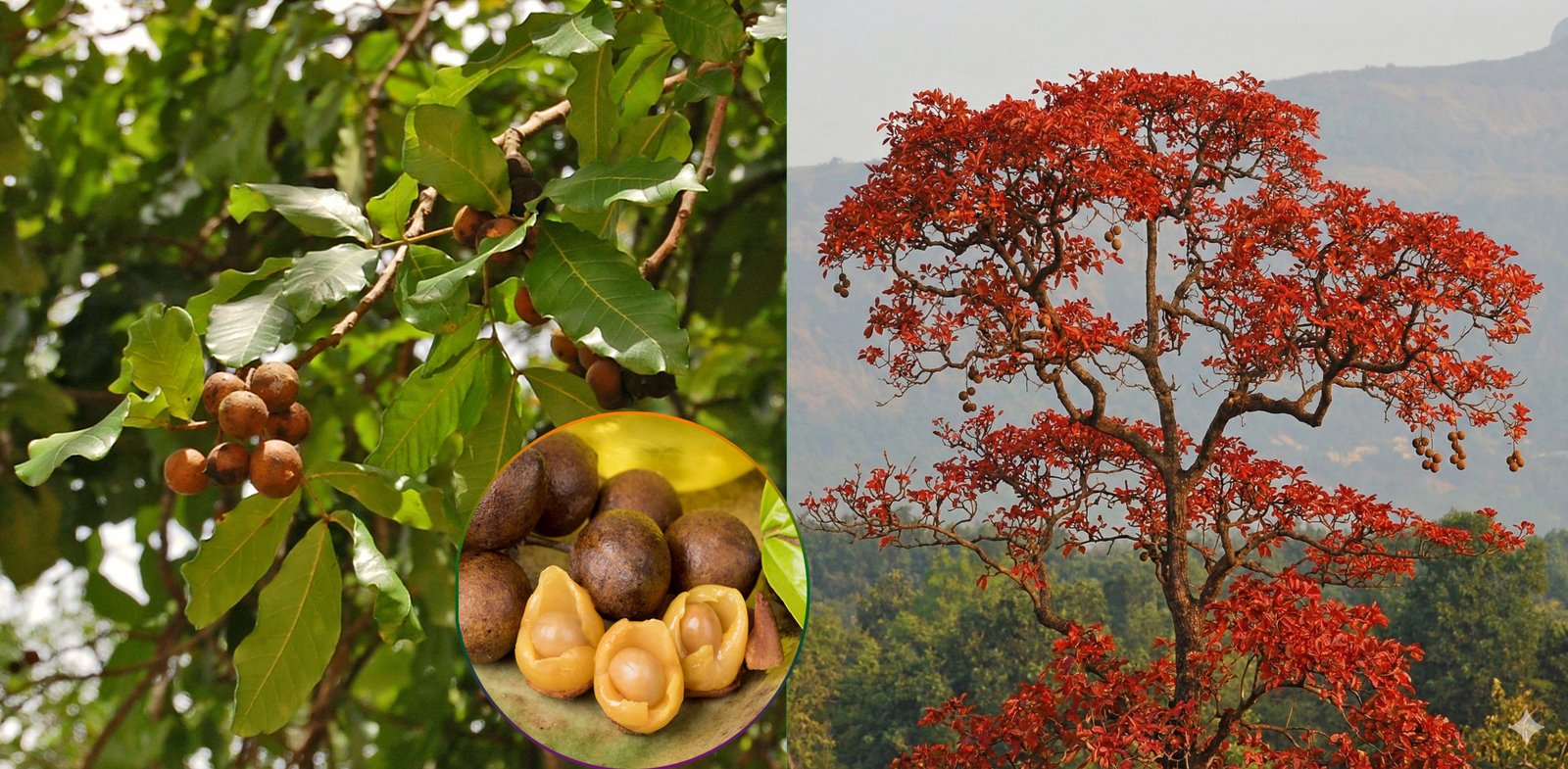
The identity of Kosamkheda is deeply rooted in the earth. The village derives its name from the Kosam tree (Schleichera oleosa), also known as Kusum or Ceylon Oak. When new leaves appear in March, they turn a vibrant red, symbolizing renewal and life.
- 🌲 Dense Kosam tree groves once marked the settlement
- 🏡 “Kheda” signifies a settlement blessed with natural resources
- 🌿 The tree provided food, oil, medicine, shade, timber & income
📍 Village at a Glance
- Village Name: Kosamkheda
- Tehsil: Kareli
- District: Narsinghpur
- State: Madhya Pradesh
- Country: Bharat (India)
- Coordinates: 22.8660° N, 79.1520° E
- PIN Code: 487110
- Primary Occupation: Agriculture & Livestock
- Nearby Landmark: Satpura Mountain Range (10 km)
- Connectivity: Well-connected by road to nearby towns and district headquarters.
🌦️ Geography & Climate
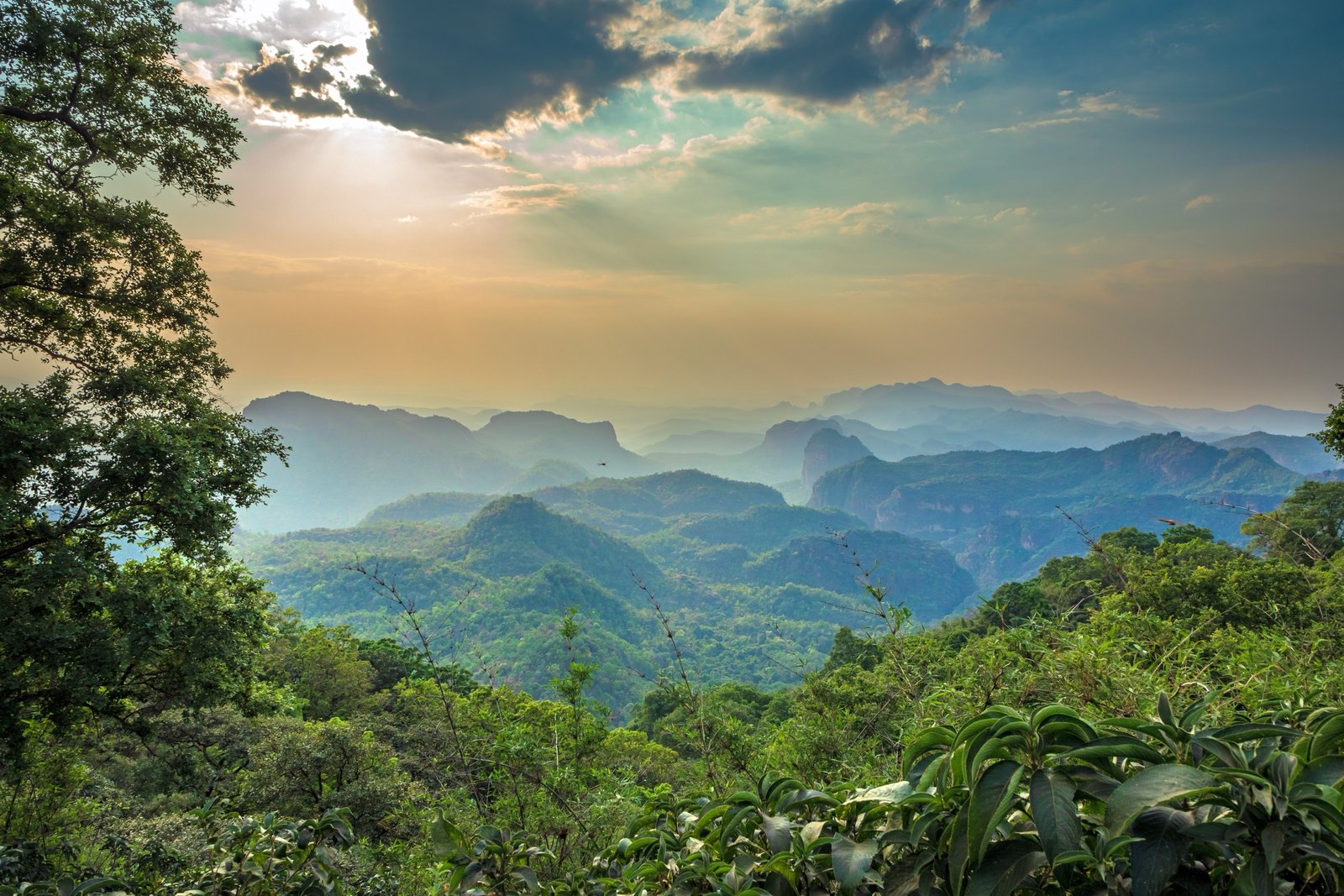
Kosamkheda lies close to the Satpura mountain range, providing fertile soil, natural water resources, and a favorable climate for agriculture.
- ☀️ Summer: Up to 45–46°C (May hottest month)
- 🌧️ Monsoon: June–September, ~40 inches rainfall
- ❄️ Winter: Cold & foggy, temperatures may fall to 4°C
🌾 Agriculture & Economy
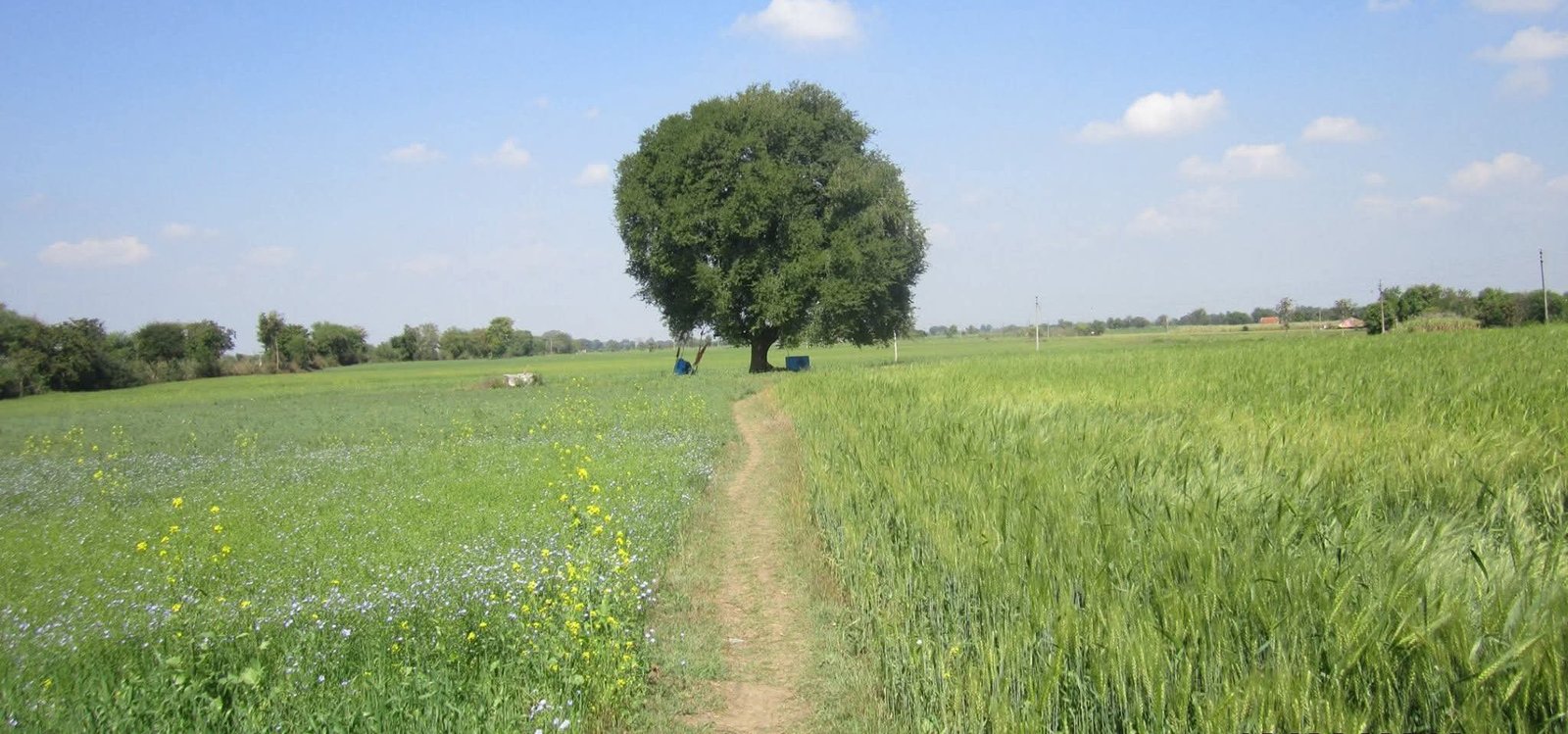
Agriculture is the backbone of Kosamkheda. Most villagers depend on farming and allied activities for their livelihood.
- 🌱 Crops: Food grains, vegetables, fruits, oilseeds
- 🥛 Dairy Products: Milk, khowa, butter, buttermilk
- 🏭 Cottage Industry: Jaggery (Gur) production
🚜 Water Resources & Irrigation
- 💧 Pipeline drinking water to all households
- 🚰 20+ hand pumps in the village
- 🌊 Irrigation from wells, tube wells, canals & Tadha River
- 🌧️ Rainwater harvesting dam
🏫 Education Facilities
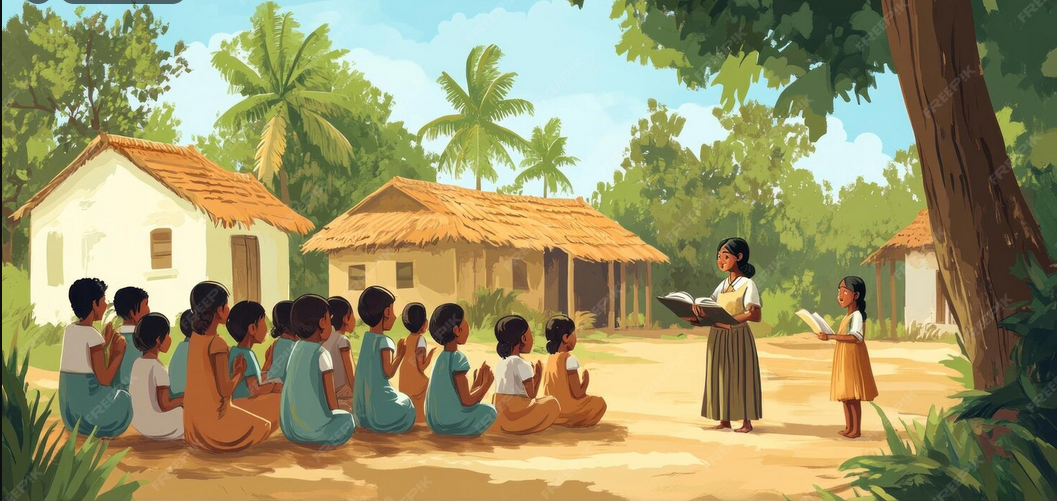
- 🎒 Anganwadi Center
- 📘 Primary School (Est. 1954) – Classes 1 to 5
- 📗 Upper Primary School (Est. 1961) – Classes 6 to 8
- 🎓 Sarvodaya Vidya Peeth (Est. 2000) – Up to Class 10
Medium of instruction: Hindi | All schools are co-educational.
🏥 Health & Veterinary Services
- 🩺 Government Sub-Health Center
- 🏥 Private Dispensary
- 🐄 Animal Health Center
🛕 Culture, Religion & Festivals
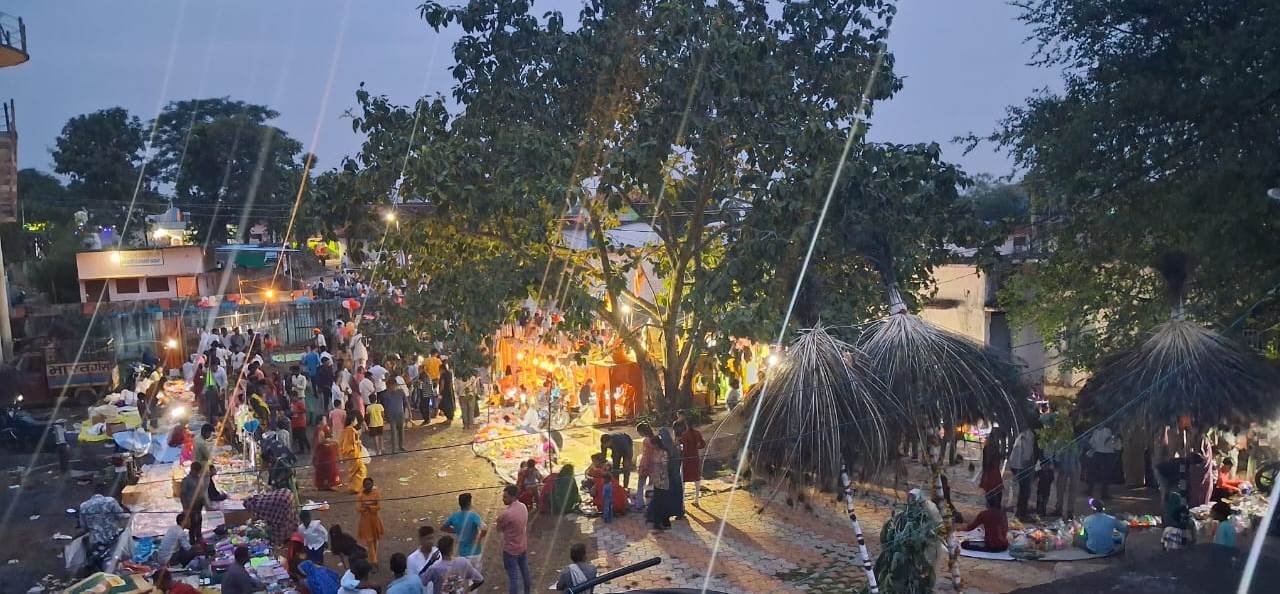
Religion and culture form the heart of village life. Temples and festivals bring people together beyond caste and social boundaries.
- ✨ Diwali
- 🎨 Holi
- 🪔 Navratri
- 🌾 Makar Sankranti
👨👩👧 Social Life & Language
- 🤝 Joint family tradition
- 🙏 Respect for elders & guests
- 🗣️ Official Language: Hindi
- 🗨️ Local Dialect: Narsinghpuriya
🌿 Conclusion
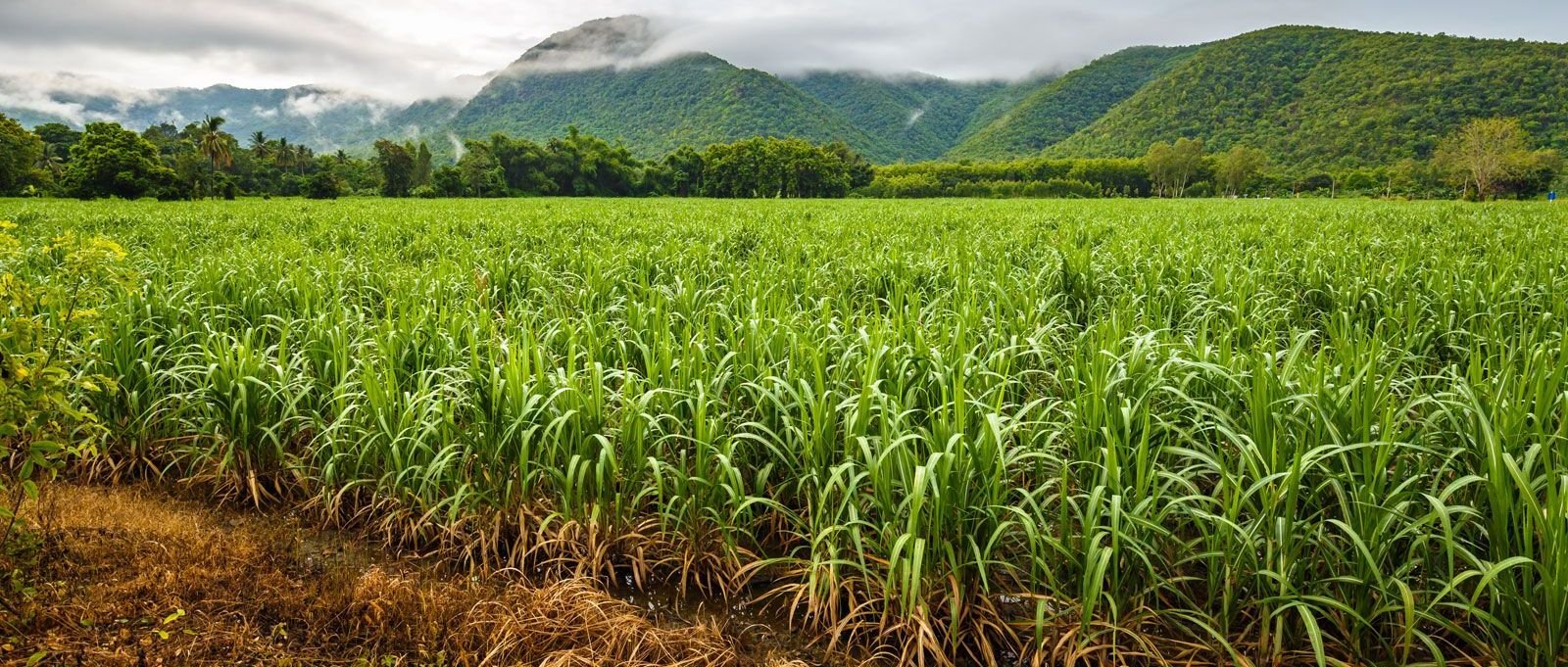
Village Kosamkheda stands as a living example of harmony between nature, culture, and community. Rooted in tradition and steadily moving toward development, it continues to preserve its unique rural identity.
The Legend of the Kosam Tree
The Kosam tree (scientifically known as Schleichera oleosa) is not just a part of the landscape; it is a vital part of the village's heritage. Known for its lush, shady canopy and its striking transformation—when new leaves appear in March, they turn a vibrant, fiery red—the tree is a symbol of life and renewal..
More Than Just a Name: The Tree's Value
In Kosamkheda, the tree is respected for its "all-round" utility, which has supported the village economy for generations:
| Part of the Tree | Local & Traditional Use |
|---|---|
| Fruit | The sour-sweet fruit is a favorite seasonal snack for children and is often used to make pickles. |
| Seeds | "They produce Kusum Oil, used traditionally for lighting lamps, making soaps, and as a remedy for skin ailments." |
| Lac Cultivation | "The Kosam tree is the best host for the lac insect, producing the highest quality of ""Kusmi"" lac, which provides extra income for farmers." |
| Timber | "Its wood is incredibly hard and durable, traditionally used to make sturdy tool handles, axles for carts, and oil presses." |
